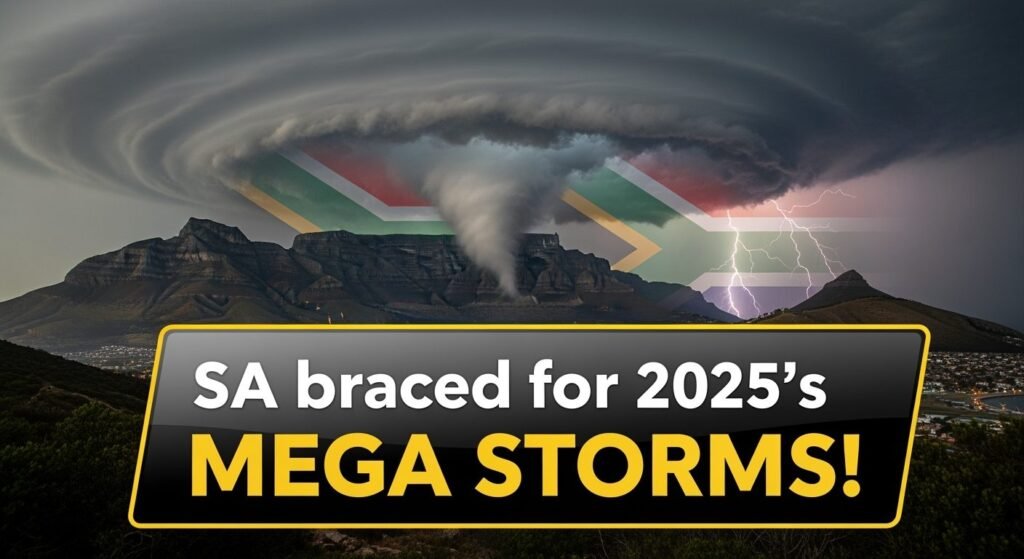
South Africa weather alert: As we approach the weekend in September 2025, I want to bring your attention to a significant weather system heading toward South Africa. Meteorological services have issued warnings about massive rains and strong winds expected to hit several provinces. This South Africa weather alert is particularly concerning for coastal regions and areas prone to flooding. The system is predicted to make landfall on Friday evening and continue throughout the weekend, potentially causing disruptions to travel plans and outdoor activities. Have you made any plans that might be affected by this incoming weather?
What to Expect from the Weather System
The approaching weather system is characterized by unusually heavy rainfall and gusty winds that could reach dangerous levels in certain areas. Meteorologists are predicting rainfall amounts of 50-100mm in a 24-hour period for parts of the Eastern Cape and KwaZulu-Natal, with localized areas potentially receiving even higher amounts. Wind speeds are expected to reach 60-80 km/h along the coast, with gusts potentially exceeding 100 km/h in exposed areas. This South Africa weather alert has prompted authorities to warn about possible flash flooding, especially in low-lying areas and informal settlements. Urban areas may experience significant drainage issues, while rural roads could become impassable due to water accumulation or mudslides.
Why This Weather System Is Concerning
This particular weather system is raising alarms due to its intensity and timing. September typically marks the transition from winter to spring in South Africa, but this system shows characteristics more commonly associated with summer storms. Climate scientists suggest this unusual pattern may be linked to changing climate conditions affecting the region. The combination of saturated ground from earlier rainfall and the incoming massive rains creates a heightened risk for flooding. Additionally, the strong winds pose threats to infrastructure, including power lines and poorly constructed buildings. Emergency services are particularly concerned about informal settlements, where drainage is often inadequate and structures may not withstand the predicted wind forces.
How to Prepare for the Massive Rains and Winds
With this South Africa weather alert in effect, preparation is essential to minimize potential impacts. I recommend securing loose items around your property that could become projectiles in strong winds. Check your roof for loose tiles or sheets and repair them if possible before the storm arrives. Clear gutters and drains to prevent water blockages that could lead to property damage. Prepare an emergency kit containing essential items like drinking water, non-perishable food, medications, flashlights, and batteries. Charge your electronic devices fully before the storm and consider purchasing a power bank for emergency communications.
- Stock up on drinking water and non-perishable food items
- Secure outdoor furniture and potential projectiles
- Prepare alternative lighting sources (candles, battery-powered lamps)
- Keep emergency contact numbers readily available
When and Where the Storm Will Hit Hardest
According to meteorological projections, the massive rains and winds will begin affecting the Western Cape late Friday afternoon before moving eastward overnight. By Saturday morning, the Eastern Cape and parts of KwaZulu-Natal will experience the full force of the system. The weather event is expected to peak during Saturday afternoon and evening, with conditions gradually improving through Sunday, though lingering showers may continue into Monday. Coastal areas are predicted to face the most severe conditions, with cities like Cape Town, Port Elizabeth, and Durban likely to experience significant disruptions. Inland areas, particularly those at higher elevations, may see less rainfall but could still experience damaging wind conditions.
Real-Life Impact: The 2023 Precedent
A similar weather system affected South Africa in September 2023, though forecasters believe the 2025 event could be more intense. During the 2023 storms, the coastal town of Hermanus experienced severe flooding that damaged over 200 homes and required emergency evacuations of elderly residents from a care facility. Roads were washed away in several locations, isolating communities for up to three days. The economic impact was estimated at R150 million in infrastructure damage alone. Emergency services were stretched thin, highlighting the importance of personal preparedness when facing such extreme weather events. This historical example underscores why this weekend’s weather alert deserves serious attention from all residents in the affected areas.