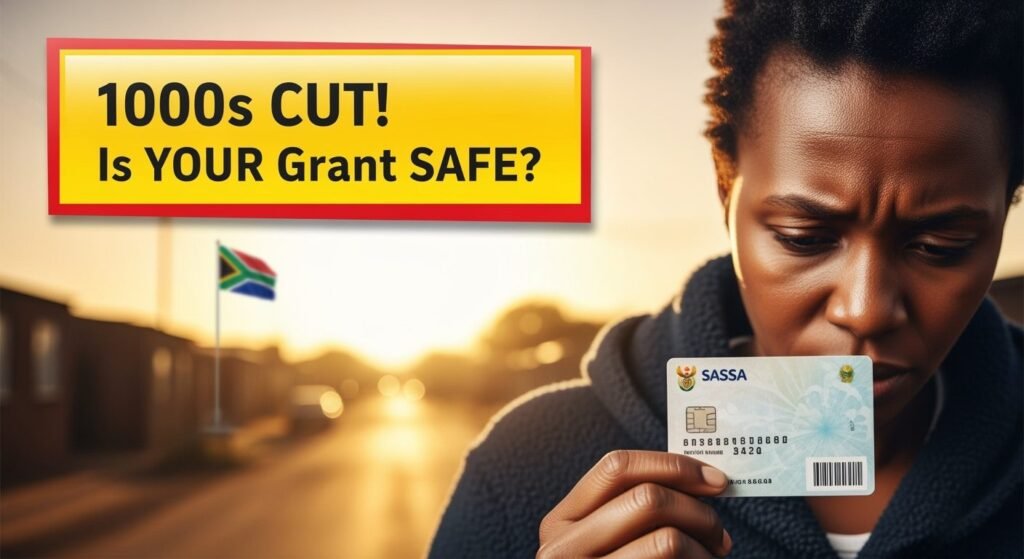
SASSA grant eligibility: I’ve just received concerning news that thousands of South Africans have been removed from the South African Social Security Agency (SASSA) grant system in a recent verification exercise. If you’re one of the millions who depend on these crucial social grants for your daily needs, this development might directly affect your financial situation. SASSA has implemented stricter verification processes to ensure grants reach only those who truly qualify, resulting in thousands being cut from the system. Have you checked your grant status recently? It’s more important than ever to confirm your eligibility and ensure you’re still receiving the support you’re entitled to.
What Changes Has SASSA Implemented?
SASSA has intensified its verification procedures to eliminate fraud and ensure grants reach legitimate beneficiaries only. The agency has introduced more rigorous income assessments, cross-checking beneficiary information with other government databases including SARS, UIF, and the National Student Financial Aid Scheme. This comprehensive verification process has identified thousands of recipients who no longer meet the eligibility criteria for various grants, including the Social Relief of Distress (SRD) grant, child support grants, and disability grants. The primary reasons for disqualification include undisclosed income sources, receiving multiple government benefits simultaneously, or changes in personal circumstances that affect SASSA grant eligibility.
Why Are These Cuts Happening Now?
The timing of these cuts stems from SASSA’s commitment to fiscal responsibility and ensuring social assistance reaches those most in need. With South Africa facing economic challenges, government departments are under pressure to optimize spending and eliminate wastage. I understand this may seem harsh, especially during difficult economic times, but SASSA maintains that these measures protect the sustainability of the social grant system for those genuinely dependent on it. The agency has reported recovering millions of rands that were previously paid to ineligible recipients, funds that can now be redirected to support qualified beneficiaries. Additionally, these verification processes align with broader government efforts to digitize services and improve efficiency in public administration.
How to Check Your SASSA Grant Status
If you’re concerned about your grant status, I recommend checking it immediately through one of SASSA’s official channels. The simplest method is visiting the SASSA website (www.sassa.gov.za) and using the grant status checking tool with your ID number and grant type. Alternatively, you can dial the SASSA toll-free number at 0800 60 10 11 to speak with a representative who can verify your status. Mobile users can dial *120*3210# and follow the prompts to check their grant status. Many beneficiaries prefer visiting their nearest SASSA office in person, where officials can access your complete grant information and address any concerns. Remember to bring your ID document and any relevant grant documentation to facilitate the verification process.
- Check online through the SASSA website using your ID number
- Call the toll-free helpline at 0800 60 10 11
- Dial USSD code *120*3210# from your mobile phone
- Visit your nearest SASSA office with your ID document
When and How to Appeal a Grant Cancellation
If you discover your grant has been terminated but believe you still qualify, you have the right to appeal the decision. SASSA grant eligibility appeals must be lodged within 90 days of receiving notification of cancellation. To initiate an appeal, you’ll need to complete the prescribed appeal form available at any SASSA office or downloadable from their website. Include all supporting documentation that proves your eligibility, such as bank statements, affidavits regarding your living situation, or medical reports for disability grants. The appeal will be reviewed by an independent tribunal, not the same officials who made the initial decision. While waiting for the appeal outcome, I recommend exploring temporary assistance options through your local municipality or registered NGOs, as the appeal process can sometimes take several weeks to resolve.
Real Case: Martha’s Experience
Martha Nkosi, a 45-year-old mother of two from Soweto, was shocked when her child support grant stopped appearing in her bank account. After checking her status, she discovered she’d been flagged because the system showed she was employed. The truth was that Martha had participated in a two-month temporary work program six months earlier, but this information remained in the system. She visited her local SASSA office with documentation proving the work was temporary and had ended. After submitting an appeal with proper documentation, her grant was reinstated within three weeks, including backpay for the missed months. Martha’s case highlights the importance of keeping all employment documentation and acting quickly when grant issues arise.