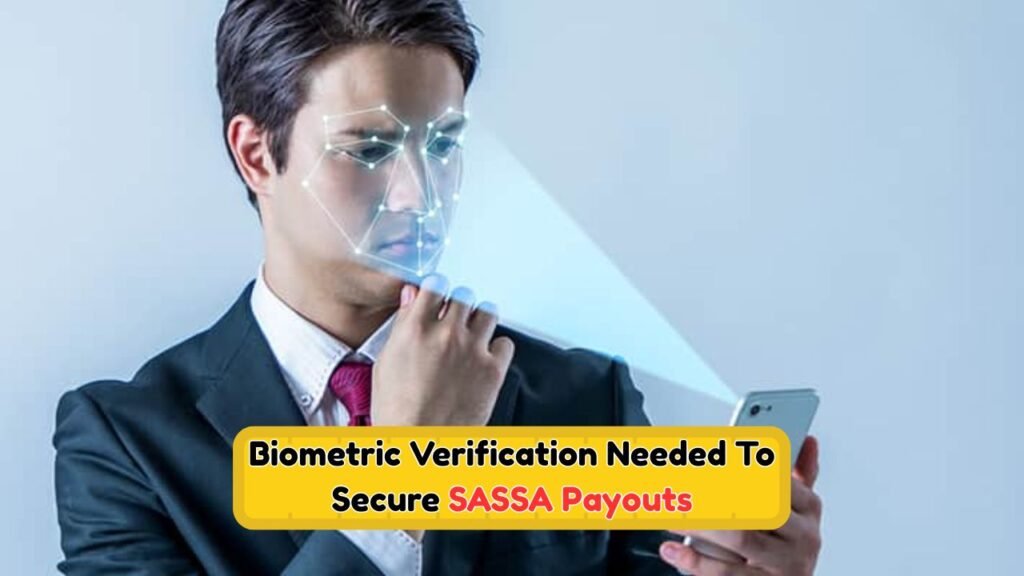
Biometric Verification Becomes Mandatory for SASSA Grant Recipients: In a significant move aimed at enhancing the security and efficiency of social welfare distribution, the South African Social Security Agency (SASSA) has announced that biometric verification will now be mandatory for all grant recipients. This initiative is poised to combat fraudulent activities and ensure that benefits reach the intended beneficiaries. As South Africa continues to embrace technological advancements, this step aligns with global trends in digital identification, promising a more streamlined and secure system for the nation’s vulnerable populations.
Understanding the Shift to Biometric Verification for SASSA Grants
The introduction of biometric verification for SASSA grants marks a pivotal change in how social welfare is managed in South Africa. By utilizing unique physical characteristics such as fingerprints, iris scans, and facial recognition, SASSA aims to create a foolproof system that minimizes errors and fraud. This digital transformation not only ensures that grants are received by the rightful recipients but also simplifies the verification process, reducing the need for extensive paperwork. For recipients, this means a more efficient and less cumbersome process, where the possibility of identity theft or wrongful disbursement is significantly reduced. The system is designed to work seamlessly with the existing infrastructure, requiring grant recipients to register their biometric data at designated SASSA offices. This data will then be used to verify their identity during grant collection. While some may have concerns regarding privacy, SASSA assures that all data will be stored securely, adhering to national and international data protection standards.
What SASSA Grant Recipients Need to Know About Mandatory Biometric Verification
For SASSA grant recipients, understanding the requirements and processes involved in the biometric verification system is crucial. Firstly, recipients are required to visit their nearest SASSA office to register their biometric data. This process involves capturing fingerprints, facial recognition data, and in some cases, iris scans. The registration is a one-time process, after which the data will be used to verify identity during each grant collection. SASSA has rolled out extensive communication campaigns to ensure that all beneficiaries are informed and prepared for this transition. Additionally, mobile registration units have been deployed in remote areas to assist those who may face difficulties in reaching SASSA offices. For some, this change may seem daunting; however, the long-term benefits of reduced fraud and streamlined service delivery make it a necessary evolution. It is important for recipients to stay informed about the timelines and procedures to ensure that their grant collection process remains uninterrupted.
The Impact of Biometric Verification on SASSA Grant Distribution
Biometric verification is expected to have a profound impact on the distribution of SASSA grants. By ensuring that each recipient’s identity is verified through unique biometric data, the system effectively eliminates instances of impersonation and duplicate claims. This not only safeguards the integrity of the social welfare system but also ensures that funds are directed to those who genuinely need them. The transition to biometric verification is anticipated to enhance the overall efficiency and reliability of grant distribution. With quicker verification processes, recipients are likely to experience reduced waiting times during collection, making the process more convenient and less stressful. Furthermore, the use of biometric data provides an additional layer of security, offering recipients peace of mind that their personal information and grants are protected from fraudulent activities.
Preparing for the Mandatory Biometric Verification Process
As SASSA rolls out mandatory biometric verification, it is essential for grant recipients to prepare adequately for the transition. The first step in this preparation is staying informed about the registration process, including locations, required documents, and timelines. SASSA has made resources available online and through local offices to assist recipients in understanding these requirements. Additionally, recipients should ensure that they have all necessary identification documents, such as a valid South African ID, to facilitate the registration process. It is also advisable for recipients to attend any informational sessions or workshops organized by SASSA, which are designed to provide detailed guidance and support. By taking proactive steps, grant recipients can ensure a smooth transition to the new verification system, thereby continuing to receive their benefits without interruption. For those who may have concerns or face challenges, SASSA’s customer support services are available to offer assistance and address any queries.