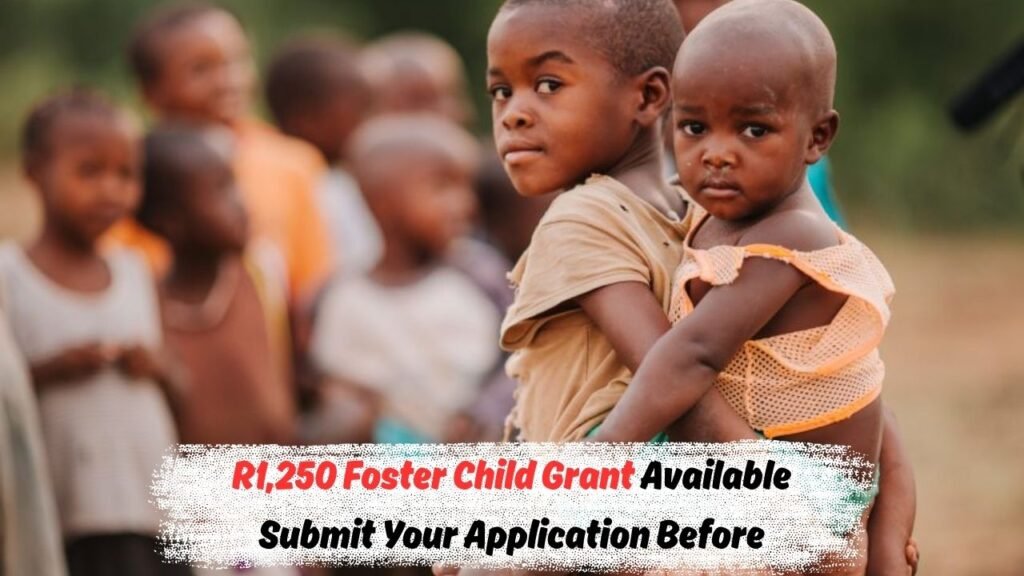
Foster Child Grant Applications: In a significant move, the South African government has opened up applications for the R1,250 Foster Child Grant, urging thousands of eligible citizens to apply immediately. This initiative is part of the country’s ongoing efforts to support vulnerable children and their foster families, ensuring that they have the resources necessary for a stable upbringing. With many families struggling due to economic pressures, the grant aims to alleviate financial burdens and promote the welfare of foster children across the nation. As the application window is now open, it is crucial for potential beneficiaries to understand the application process and meet the necessary requirements to secure this vital financial aid.
Understanding the R1,250 Foster Child Grant: Eligibility and Benefits
The R1,250 Foster Child Grant is designed to provide financial assistance to families caring for foster children in South Africa. This grant is part of the broader social security system aimed at enhancing child welfare and supporting families in need. To be eligible for the grant, applicants must be legally recognized as foster parents by the court. This involves obtaining a court order that places the child in their care. It’s important to note that the grant is only available for children under the age of 18, and foster parents must ensure they renew the grant as the child approaches this age to continue receiving support. The benefits of the grant extend beyond financial aid; it also empowers foster families to provide better education, nutrition, and healthcare for the children in their care. By facilitating access to these resources, the grant plays a vital role in shaping a brighter future for foster children, ensuring they have the opportunity to thrive in society.
How to Apply for the Foster Child Grant: Step-by-Step Guide
Applying for the Foster Child Grant in South Africa involves several steps, each crucial for a successful application. Prospective applicants must first gather necessary documents, including the child’s birth certificate, the court order confirming the foster care arrangement, and identification documents of the foster parent. Once these documents are in place, applicants should visit their nearest South African Social Security Agency (SASSA) office to initiate the application process. At the office, a SASSA official will guide them through filling out the application form and verifying the submitted documents. It’s vital for applicants to ensure all information provided is accurate and up-to-date to avoid delays in processing. After submission, the application will be reviewed, and upon approval, the foster parent will start receiving monthly payments of R1,250 to support the child’s needs. Staying informed and prepared can greatly enhance the efficiency of the application process, helping families access the support they require promptly.
Key Deadlines and Important Dates for the Grant Application
Applicants for the R1,250 Foster Child Grant should be mindful of key deadlines to ensure their applications are processed without delay. While the application window is currently open, specific deadlines can vary based on individual circumstances and regional SASSA office timelines. It’s advisable for applicants to check with their local SASSA office for precise deadlines and any additional requirements that may apply. Additionally, foster parents should be aware that the grant needs to be renewed periodically, typically every two years, or as mandated by the court order. During the renewal process, updated documentation may be required, so staying organized and maintaining records of all relevant documents is essential. Being proactive about these deadlines can prevent any disruption in receiving the grant, thereby ensuring continuous support for the foster child.
Impact of the Foster Child Grant on South African Families
The R1,250 Foster Child Grant has a profound impact on the lives of many South African families, particularly those in economically disadvantaged situations. By providing consistent financial support, the grant helps alleviate some of the economic pressures associated with raising a child, allowing foster parents to focus on creating a nurturing environment. This financial relief is crucial for covering essential needs such as education, health care, and daily living expenses, ensuring that foster children have access to opportunities that might otherwise be out of reach. Moreover, the grant reinforces the government’s commitment to child welfare, promoting a society where every child can grow up with dignity and hope. As more families apply and benefit from this grant, the positive ripple effects are felt across communities, contributing to a more equitable and supportive environment for all children in South Africa.